
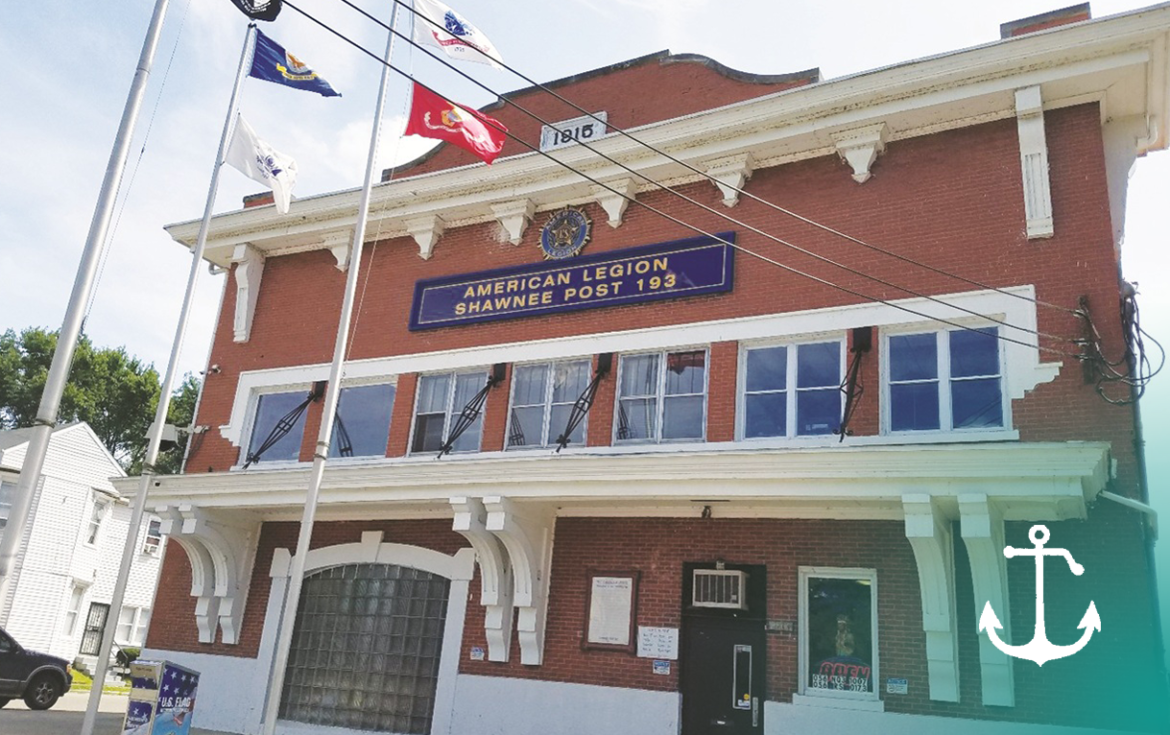
The following is a very brief history of Shawnee Post 193; a Veteran owned business located in the Portland community.
Category: Local History
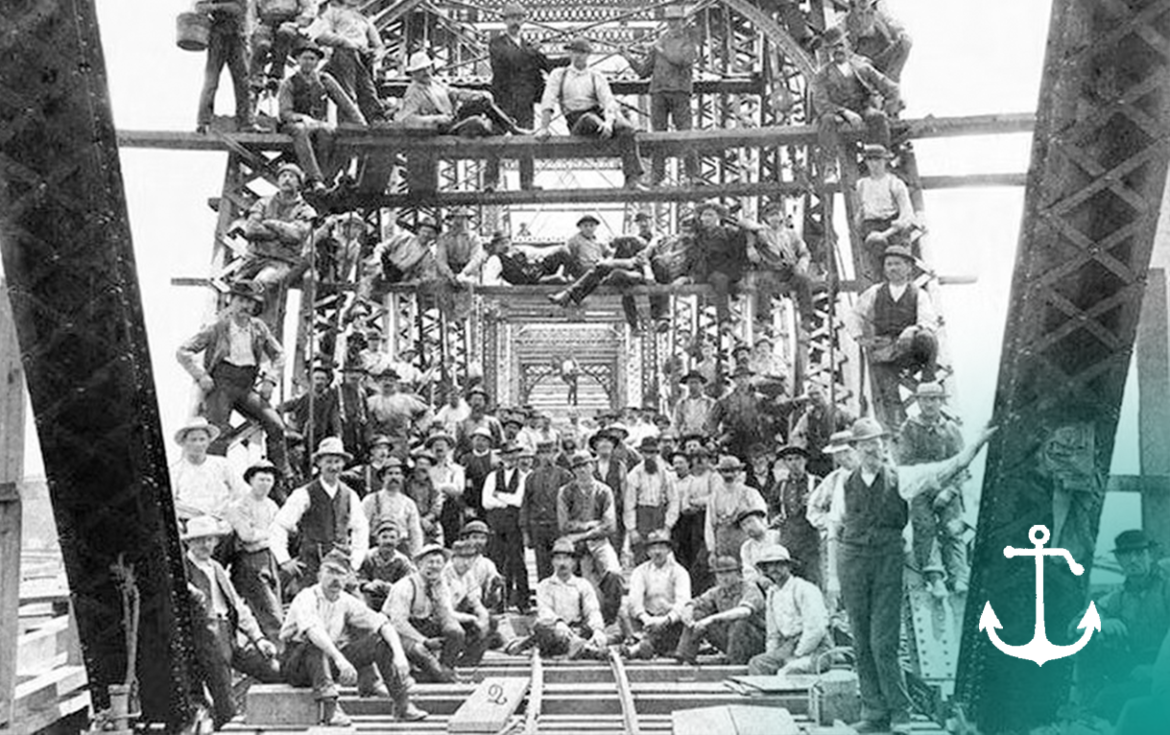
The Bridge Over The River: K&I
The Kentucky and Indiana Bridge, shortened colloquially to K&I, opened in 1886 as one of the first bridges to cross the mighty Ohio’s 981-mile run. It was designed to be multi-modal, meaning it would function as a crossing for trains, streetcars, stagecoaches, and pedestrians alike. Construction began in 1881 with private funding from the efficiently named Kentucky and Indiana Bridge Company. In a business move that would’ve made the late Steve Jobs beam with pride, the K&I Bridge Company also owned the ferry operation that would be cannibalized by the bridge’s construction and subsequent obsolescence of boat travel as a necessity for river crossings.
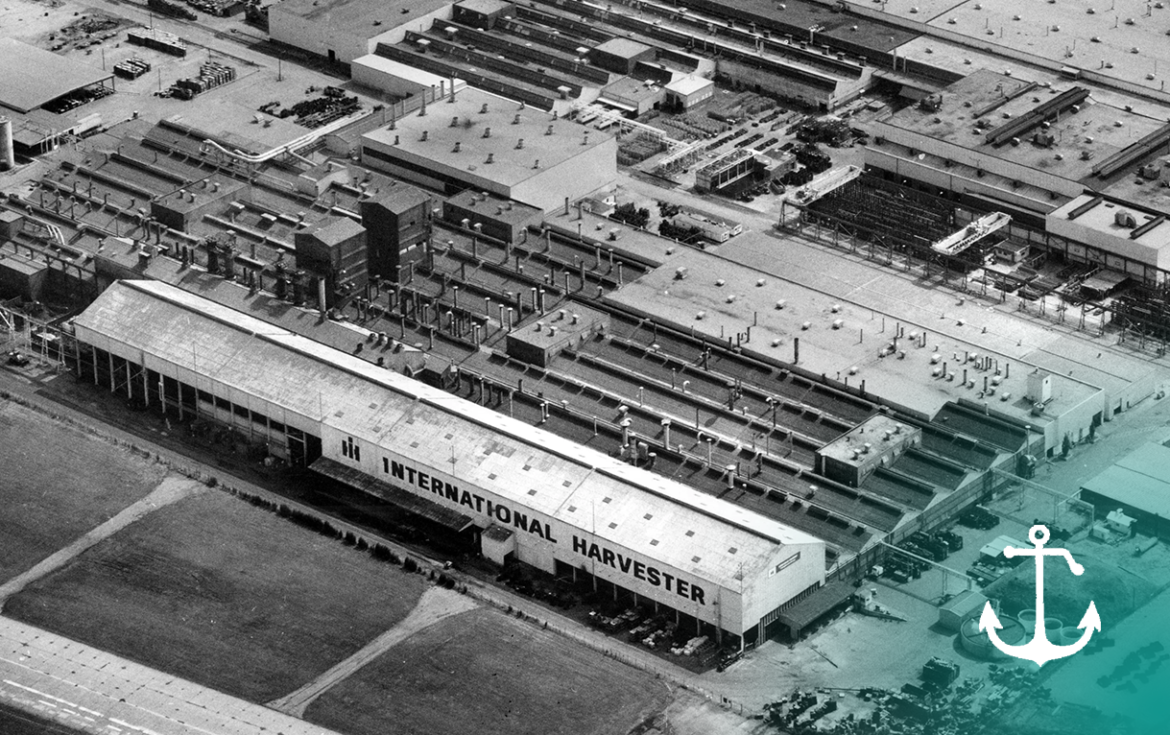
Nardie Enters the Workforce at Crittenden Drive International Harvester Plant
“We were making parts for John Deere, tractor parts, manifold parts. That’s when International Harvester had…remember the Scout? And they had Cub Cadet. So basically, in the foundry, it’s hot metal, you know, and we would do these molds. You add all these components to make the manifold. Once it goes down to the line, it goes down to the pour section. And then you got these guys that are basically pushing a dolly. It’s like a scooter, and it has a ladle. It’s got a ladle full of molten metal.”

Charles Dickens and Jim Porter, A Literary Giant Meets A Real One
In January of 1842, Charles Dickens arrived in America for his first tour of the country. Not quite 30, he was already what we would now call a celebrity, having published five popular novels. During his brief overnight stop in Louisville, he requested to see one person, “Big” Jim Porter, regarded as the tallest man in the world, himself a local celebrity.

The Tarascon Brothers and Shippingport, Kentucky
The story of the Tarascon Brothers, Louis and John, began as one of dreams, entrepreneurship, and commercial success. It ended in failure, financial ruin, and personal tragedy.

The Louisville and Portland Railroad Company: Louisville’s First Transportation Token
To unravel the mystery of Louisville, Kentucky’s first transportation token you have to go back to the early 1830’s. Louisville developed into a major commercial center and river port because of its location above The Falls of the Ohio River. Boats were forced to stop, unload their cargo and then carry it around The Falls in order to continue their trip South. Portland, Kentucky grew up just South of The Falls because the lucrative transfer business provided the foundation for a strong economy.

Nardie’s Education Continues at Now-Defunct Black Trade School
We pick up Nardie’s story as he graduates from Shawnee High School in 1970 (“which was 75% white” at the time, he said). He capitalized on a phenomenal scholarship opportunity to go to the West Kentucky Technical College in Paducah, where he lived in a dorm with around 500 other students.

Schoppenhorst Chapel Continues to Serve Portland Community After 100 Years
Readers of the Portland Anchor know the value and importance of the monthly obituaries. The warmth and humanity that these brief articles convey goes a long way towards demonstrating the pulse of a neighborhood, the deep bonds of generations of families and the unique details and personality traits that made someone’s life special. “It’s hard to summarize someone’s life in such a small snippet,” said pastor Joey Hightower, who serves part time at the Legacy Funeral Center Schoppenhorst Chapel at 1832 West Market Street. “It’s like going back in time, and it’s amazing to be part of such a rich history and staple in community for more than 100 years,” Joey said.

Portland’s Grand St. Charles Hotel
The St. Charles Hotel was one of the most recognized landmarks of the old town of Portland. Located on the southwestern corner of Ferry Street (today’s 36th Street) and Second. Just two blocks from the busy Portland Wharf, it served visitors and travelers for many years in relative splendor.

So, What Was the Junk War Anyway? Following Up on The Portland Anchor’s First Stories.
Learn the story behind the Portland Anchor’s very first stories and see how one little newspaper fought for change in its neighborhood still visible 50 years later.